How to Design a High-Performance Strength Zone in Commercial Gyms
December 12, 2025
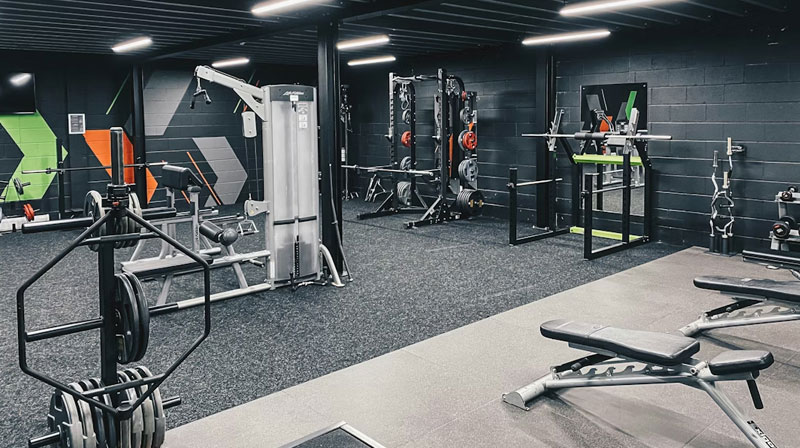
A well-designed strength zone is one of the biggest drivers of member satisfaction, workout efficiency, and long-term retention. Whether your gym is a boutique studio or a large commercial club, creating a high-performance strength area requires strategic planning—not just buying random equipment. This guide breaks down everything you need to design a strength training zone that feels premium, supports high traffic, and helps members train safely and confidently.
1. Identify Member Profiles and Training Demand
Before purchasing equipment, gyms should analyze member groups:
- Beginners → need simple, guided strength machines
- Intermediate lifters → need racks, benches, free weights
- Athletes → need performance tools like bumper plates
- Older members → need low-impact, ergonomic machines
The ideal strength zone supports all levels without overwhelming beginners or limiting advanced lifters.
2. Build a Balanced Strength Equipment Mix
A high-performance strength zone should include:
Guided Machines (Selectorized Machines)
Best for beginners and seniors.
Key benefits: controlled motion, reduced injury risk, easy to understand.
Plate-Loaded Machines
Best for intermediate–advanced users.
Offer natural movement, progressive overload, and durability.
Free Weight Area
Include:
- Power racks
- Adjustable benches
- Dumbbells (2.5–50kg or 5–120lb)
- Barbells and bumper plates
This area supports compound lifts and athletic training.
Functional Strength Tools
Add variation and group training options:
- Kettlebells
- Medicine balls
- Resistance bands
- Battle ropes
Balanced selection = higher engagement + longer workout durations.
3. Plan the Layout for Safety and Efficiency
A strong layout improves flow, reduces congestion, and enhances safety.
Key layout principles:
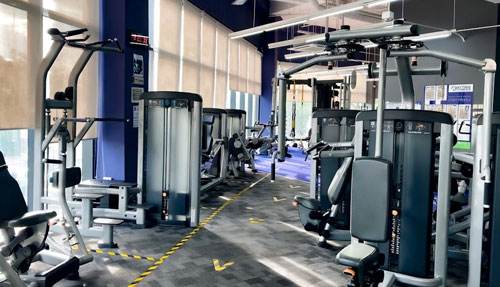
- Place guided machines near the entrance (beginner-friendly).
- Put free weights in the back or corner (advanced users).
- Allow 1.5–2 meters around racks for safety.
- Group similar machines together (push/pull/legs).
- Keep traffic lanes open between heavy lifting areas.
Good layout = fewer accidents + smoother member movement.
4. Use High-Durability and Low-Maintenance Equipment
Strength equipment in commercial gyms receives heavy daily use.
Choose:
- 3–5mm steel frames
- Commercial-grade upholstery
- Powder-coated finishes
- High-quality bearings
- Machines with simple mechanical structures
Durability reduces maintenance costs and ensures long-term ROI.
5. Add Small Upgrades That Deliver a Premium Experience
Small improvements can completely change the perceived quality:
- Mirror walls for self-checking form
- Rubber flooring for noise control
- LED lighting for visibility
- Clear signage for each machine
- Storage racks to reduce clutter
These touches make your strength zone feel organized, professional, and premium.
6. Train Staff to Assist and Educate Members
A strength zone is only as effective as the support behind it.
Staff should know:
- Proper lifting form
- Machine adjustments
- How to guide beginners
- Safety protocols
Education improves member confidence and reduces injuries.
FAQ
1. How much space do I need for a strength zone?
At least 80–150 sqm for a small gym; large clubs usually allocate 200+ sqm.
2. What equipment should I buy first?
Start with racks, benches, dumbbells, and essential selectorized machines.
3. How do I make my strength zone beginner-friendly?
Use clear signage, guided machines, and easy-adjust features.
4. Are plate-loaded machines necessary?
Yes— they offer natural movement and support advanced training.