How Much Does It Cost to Build a Commercial Gym
August 22, 2026
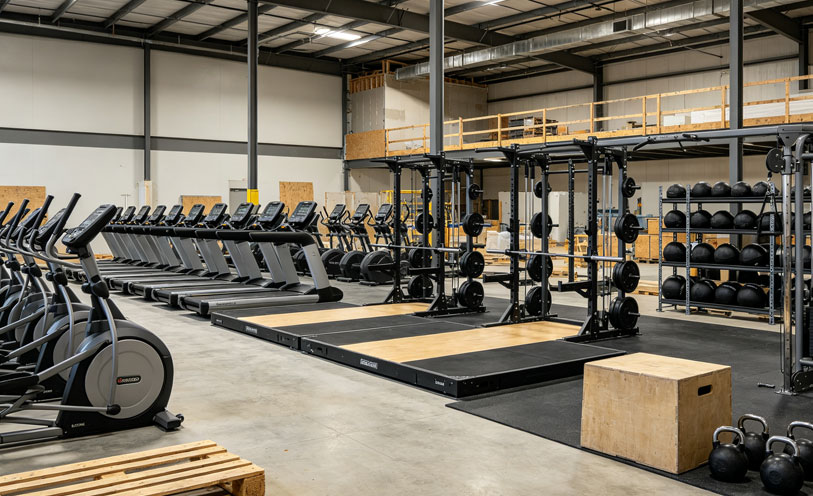
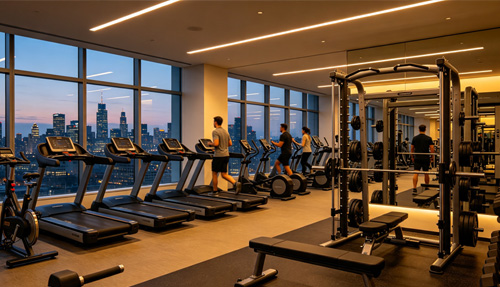
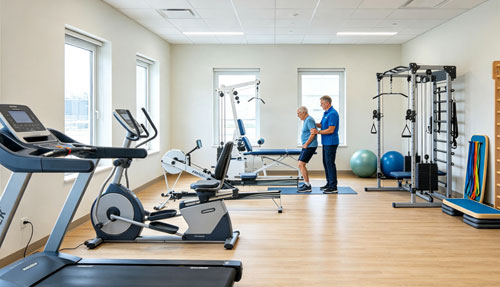
The cost of building a commercial gym depends on many factors, including the facility size, location, interior design, fitness equipment, flooring, installation, branding, and the level of customization required.
For a small fitness studio, the initial investment may be relatively limited. A large commercial gym, premium health club, or multi-zone fitness facility can require a much larger budget.
Understanding the main cost categories before purchasing equipment can help gym owners allocate their budget more effectively and avoid unnecessary expenses.
1. What Is the Average Cost to Build a Commercial Gym?
There is no single price that applies to every commercial gym project.
A basic gym with essential equipment and simple interior finishing will have a very different budget from a premium fitness club with extensive cardio equipment, strength machines, functional training areas, locker rooms, and high-end interior design.
The total project cost is usually influenced by:
- Gym size
- Location
- Equipment quantity
- Equipment quality
- Interior construction
- Flooring
- Lighting and electrical work
- HVAC and ventilation
- Showers and locker rooms
- Installation
- Transportation and shipping
- Branding and customization
For this reason, gym owners should calculate the budget based on the actual project requirements rather than relying on a fixed price per gym.
2. Major Commercial Gym Cost Categories
A commercial gym budget can generally be divided into several major categories.
1. Property and Rental Costs
Depending on the project, the gym may need to pay for:
- Property purchase
- Lease deposit
- Monthly rent
- Property management fees
- Renovation permits
Location can have a significant impact on the overall investment.
2. Interior Construction
Interior costs may include:
- Wall finishing
- Ceilings
- Lighting
- Electrical systems
- Plumbing
- Ventilation
- Air conditioning
- Reception area
- Locker rooms
- Showers
The required construction work depends heavily on the condition of the original property.
3. Gym Flooring
Commercial gyms require flooring suitable for different training areas.
Common options include:
- Rubber flooring
- Rubber tiles
- Rubber rolls
- Artificial turf
- PVC flooring
Heavy free-weight areas may require thicker impact-resistant flooring, while cardio areas may require different flooring specifications.
4. Fitness Equipment
Fitness equipment is usually one of the most important investments in a commercial gym.
The equipment budget may include:
- Commercial treadmills
- Elliptical trainers
- Exercise bikes
- Rowing machines
- Strength machines
- Functional trainers
- Smith machines
- Power racks
- Benches
- Dumbbells
- Barbells
- Weight plates
- Functional training accessories
The final equipment cost depends on the number and type of machines selected.
3. How Much Should You Budget for Gym Equipment?
The equipment budget varies significantly according to the positioning of the gym.
A small fitness studio may require only a limited selection of cardio, strength, and functional equipment.
A full-size commercial gym may require dozens or even hundreds of machines.
For example, a larger facility may need separate equipment zones for:
- Cardio training
- Selectorized strength
- Free weights
- Functional training
- Group exercise
- Stretching and mobility
Instead of buying every available machine, gym owners should select equipment according to their target customers and available floor space.
A professional commercial gym equipment manufacturer can help create an equipment list based on the project budget and facility size.
4. Equipment Quality Has a Major Impact on Cost
Commercial gym equipment can vary significantly in price.
Lower-cost equipment may reduce the initial investment, but gym owners should also consider:
- Durability
- Frequency of use
- Maintenance
- Spare parts
- Warranty
- User experience
- Long-term replacement costs
For facilities with high daily traffic, commercial-grade equipment is generally more suitable because it is designed for frequent use.
The cheapest equipment is not always the most economical option over the entire life of the gym.
5. How Gym Size Affects the Budget
The size of the facility directly affects the amount of equipment and construction required.
Small Gyms
Smaller gyms usually focus on:
- Essential cardio machines
- Multi-function strength equipment
- Dumbbells and benches
- Functional training equipment
The goal is to maximize the number of training options while minimizing unused space.
Medium-Sized Commercial Gyms
Medium-sized facilities can create dedicated areas for:
- Cardio
- Strength training
- Free weights
- Functional training
- Stretching
This allows the gym to provide a more complete training experience.
Large Fitness Clubs
Large commercial gyms may include:
- Extensive cardio zones
- Multiple strength equipment lines
- Large free-weight areas
- Functional training zones
- Group exercise studios
- Personal training areas
- Recovery spaces
As the facility becomes larger, equipment selection and space planning become increasingly important.
6. Don't Forget Gym Design and Space Planning
Gym owners sometimes focus heavily on equipment prices and overlook professional space planning.
A well-designed layout can improve:
- Equipment accessibility
- User circulation
- Training efficiency
- Safety
- Space utilization
- Overall appearance
Professional gym equipment manufacturers can provide 2D and 3D gym layouts based on:
- Floor area
- Equipment selection
- Training zones
- User capacity
- Project requirements
Planning the layout before purchasing equipment can help prevent unnecessary equipment purchases and space problems during installation.
7. Shipping, Installation and Other Hidden Costs
When purchasing commercial gym equipment, the product price is not necessarily the final project cost.
Other expenses may include:
- International shipping
- Local transportation
- Import duties
- Customs clearance
- Installation
- Assembly
- Equipment testing
- Spare parts
- Packaging disposal
For projects purchasing equipment internationally, these costs should be included in the initial budget calculation.
Working directly with a commercial gym equipment manufacturer can make it easier to coordinate equipment, packaging, shipping, and installation requirements.
8. How Buying Directly from a Manufacturer Can Reduce Costs
The supply chain can have a significant effect on equipment pricing.
Buying through multiple intermediaries may add:
- Distributor margins
- Importer margins
- Local agent fees
- Additional transportation costs
Purchasing directly from a manufacturer can provide access to factory-level pricing and direct communication with the production team.
For large gym projects, direct purchasing can also make it easier to negotiate:
- Equipment packages
- Customization
- OEM/ODM requirements
- Spare parts
- Shipping arrangements
- Long-term cooperation
However, price should not be the only factor. Product quality, certifications, factory capability, after-sales service, and production consistency should also be evaluated.
9. How to Control Commercial Gym Construction Costs
Gym owners can control their investment by making careful decisions during the planning stage.
Choose Equipment Based on Your Target Market
A premium health club may require higher-end equipment, while a community gym may prioritize practical and durable equipment.
Use Multi-Function Equipment Where Appropriate
Multi-function equipment can provide several training options while saving floor space.
Prioritize High-Use Equipment
Budget should be allocated carefully to equipment that members will use frequently.
Avoid Over-Equipping the Facility
Installing too many machines can increase costs while reducing available training space.
Plan the Layout Before Ordering
A professional layout can help determine exactly how many machines the facility can accommodate.
10. Hix Fitness Commercial Gym Equipment Solutions
Hix Fitness provides commercial gym equipment solutions for new gym projects, fitness clubs, hotels, corporate gyms, schools, universities, rehabilitation facilities, and other commercial fitness environments.
Our services can include:
- Commercial cardio equipment
- Strength training equipment
- Functional training equipment
- Free weights
- Customized equipment configurations
- OEM and ODM services
- 2D gym layout design
- 3D gym design
- Custom colors and branding
- Equipment sourcing and configuration support
By combining equipment selection with professional space planning, Hix Fitness can help customers build practical fitness facilities according to their available space, target users, and project budget.
Conclusion
The cost of building a commercial gym depends on much more than the price of fitness equipment. Property, renovation, flooring, equipment, design, transportation, installation, and customization can all influence the final investment.
The best approach is to establish a realistic project budget first and then select equipment according to the gym's size, target customers, expected usage, and business model.
Working directly with an experienced commercial gym equipment manufacturer can also help simplify procurement, equipment configuration, customization, and project planning.
Hix Fitness provides complete commercial gym equipment solutions for businesses and fitness projects worldwide, helping customers create professional facilities while making better use of their available investment.
FAQ
1. How much does it cost to build a commercial gym?
There is no fixed cost. The total investment depends on gym size, location, renovation, equipment, flooring, installation, and other project requirements.
2. What is usually the biggest cost in a commercial gym project?
Fitness equipment and property or renovation costs are often among the largest expenses, although the exact proportion varies by project.
3. Can buying gym equipment directly from China reduce costs?
Direct purchasing from a manufacturer can reduce intermediary margins and provide more competitive factory-level pricing, especially for larger projects.
4. Can Hix Fitness help plan a complete commercial gym?
Yes. Hix Fitness can provide commercial gym equipment, equipment configuration, 2D/3D gym design, customization, and project support.